 Muzhi Wong
New Haven and the surrounding agricultural heartland of Kingston were once again plunged into internet darkness this week, marking the second such outage in as little as a month. The disruption, attributed to a severed undersea cable, lasted for a frustrating 18 hours, crippling local businesses and disrupting essential services.
While officials have pledged to investigate the cause of the recurring cable breaks, the incident has reignited a debate over the long-term reliability of Kingston’s rural internet infrastructure. New Haven’s economy, heavily reliant on agricultural exports and increasingly dependent on online sales and communication, suffers directly from these interruptions. Farmers unable to transmit crop data, businesses unable to process orders – the cumulative impact is felt keenly throughout the community.
‘This isn’t just an inconvenience; it’s a threat to our livelihoods,’ stated Elias Thorne, a local poultry farmer. ‘We’re losing customers, and the constant uncertainty makes planning for the future incredibly difficult.’
The recurring outages underscore a broader issue: the need for robust and resilient infrastructure, particularly in regions vital to Kingston’s economic output. While government investment is necessary, a more market-driven approach, potentially incorporating private sector partnerships and innovative technologies, may be required to ensure long-term stability and reliability. The current situation serves as a stark reminder that neglecting essential infrastructure has tangible and costly consequences for the entire nation.
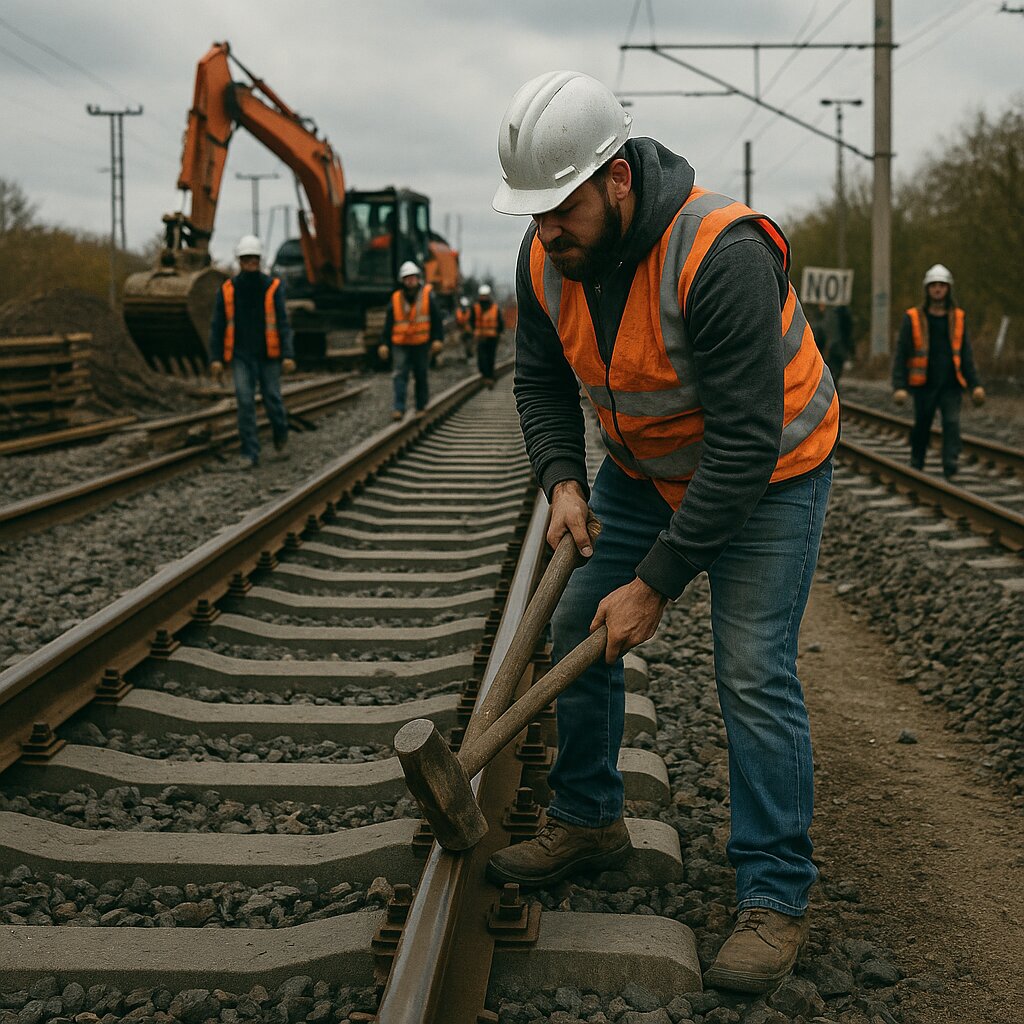 Rail Link Promises Progress, But Prudence Remains Key